
How Real Estate Agents Win Attention Beyond Social Media

Social media matters in real estate. But today’s buyers and sellers—especially Millennials and Gen Z—are overwhelmed by digital ads, endless scrolling, and content that disappears in seconds.

That’s why smart real estate agents are turning back to something more personal, memorable, and trusted: print marketing.

From direct mail and postcards to neighborhood flyers and listing brochures, print helps agents stand out in a crowded market and build trust before the first conversation even happens.


Why Print Still Gets Attention

Millennials and Gen Z may be digital-first generations, but recent studies show they still engage heavily with physical mail.

According to Lob’s 2025 State of Direct Mail report:

  • 85% of Millennials and Gen Z engage with direct mail
  • 84% of consumers read mail the same day they receive it
  • 49% say brands that send direct mail feel more credible
  • 58% feel overwhelmed by digital marketing messages. For real estate agents, that creates a major opportunity.


A well-designed postcard or market update can feel more personal and trustworthy than another social media ad lost in someone’s feed.


Why Print Works So Well in Real Estate

Real estate is built on visibility, trust, and staying top of mind. Print helps agents do all three.


Direct Mail Creates Local Recognition

Neighborhood farming still works because consistency matters. When homeowners repeatedly see your name, branding, and listings in their mailbox, familiarity grows. And in real estate, familiarity often becomes trust.


Print Feels More Personal

Unlike digital ads that disappear instantly, printed materials stay visible. A market update on the kitchen counter or a listing postcard on the fridge keeps your brand in front of potential clients longer.


Buyers Still Want Something Tangible

Open house flyers, listing brochures, and community guides give buyers something physical to reference after they leave a property. Print helps turn a quick showing into a lasting impression.


The Best Print Marketing Tools for Realtors

Not every print piece needs to be complicated. The most effective real estate marketing is often the simplest.


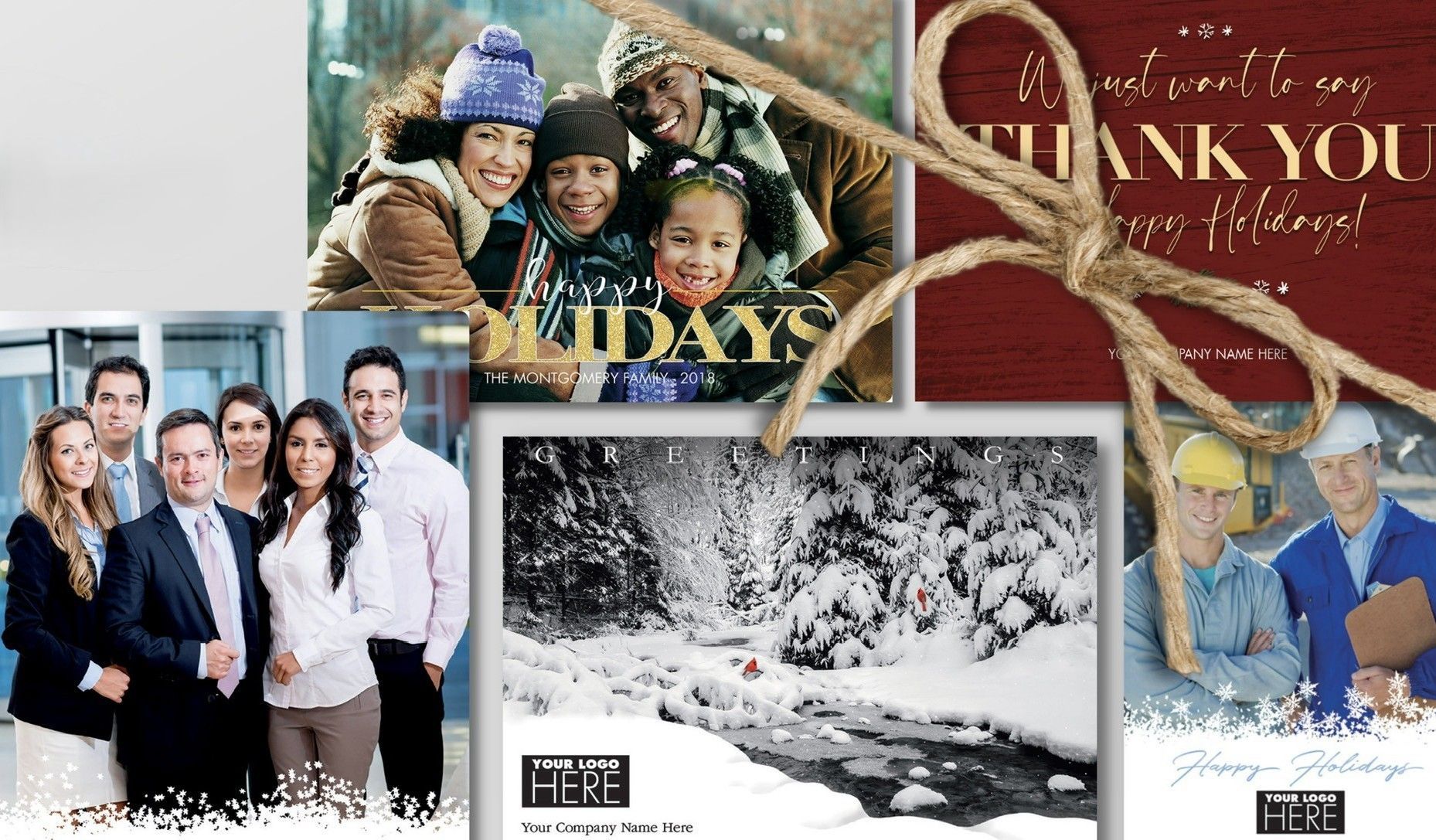
Postcards

Perfect for:

  • Just listed and just sold announcements
  • Open house invitations
  • Farming neighborhoods
  • Market updates


Listing Brochures

High-quality brochures help listings feel more premium and professional.


Yard Signs

Your sign is often your first impression. Clean, bold signage increases visibility and helps build brand awareness in the community.


Door Hangers & Flyers

Great for hyper-local marketing around open houses and community events.


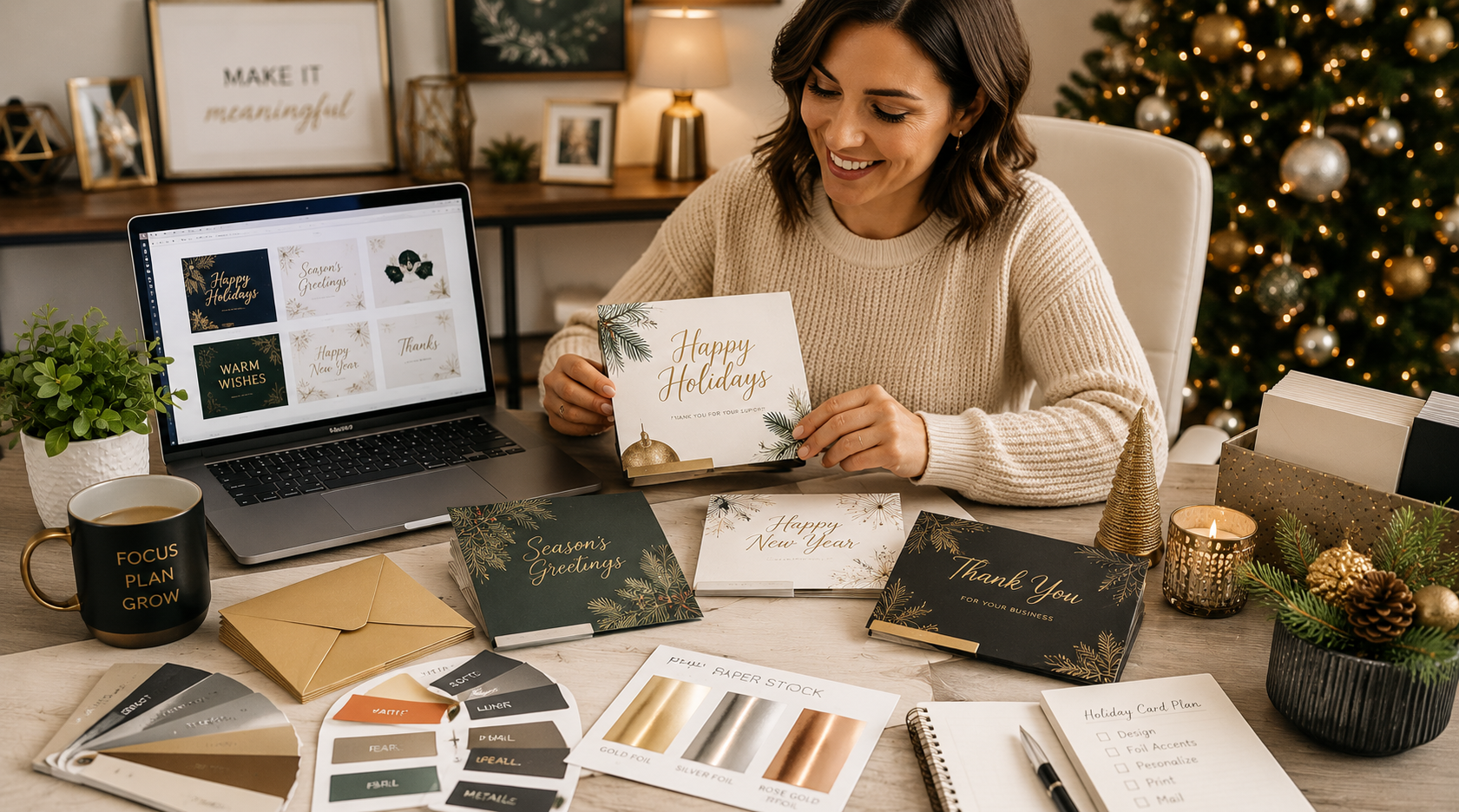
Thank You Cards

Personal touches still matter. Handwritten or branded thank-you cards help strengthen client relationships and referrals.


How to Make Print Marketing More Effective


Keep the Message Simple

Don’t overload your design with too much information. Focus on one clear message and one call to action.


Use Strong Photography

Real estate is visual. High-quality listing photos and professional branding make a major difference.


Connect Print with Digital

Include:

  • QR codes
  • Website links
  • Social media handles
  • Property landing pages


Today’s buyers often move between print and digital seamlessly.


Stay Consistent

One postcard won’t build a brand. Consistent marketing creates recognition and trust over time.


Final Thoughts

Digital marketing is important—but print marketing gives real estate agents something digital often can’t: attention that lasts.


In a world filled with scrolling and short attention spans, direct mail and printed marketing materials help agents feel more established, more trustworthy, and more memorable.


For real estate professionals looking to stay visible in their market, print is no longer old-school—it’s a competitive advantage.


Call Hillview DPM today to start your direct mail and print campaigns to discover new buyers.


Revised by: Beth Walker
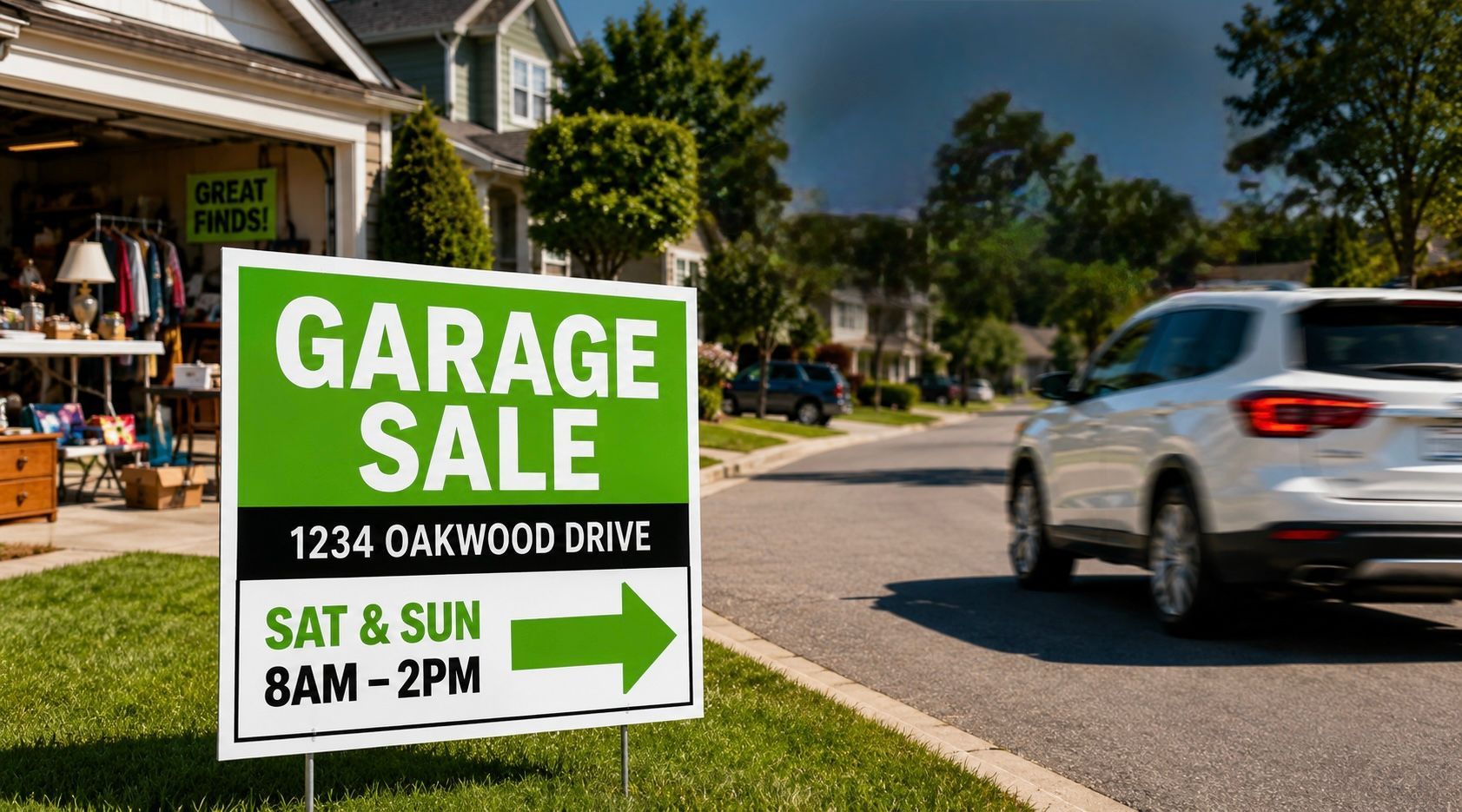
Source: Conquest Graphics


Turn drive-by traffic into buyers with bold, clear garage sale signs.
By Beth Walker May 6, 2026
Great garage sale signs drive traffic—use bold text, high contrast, clear directions, and multiple signs to turn drive-bys into buyers.
A confident Bay Area small business owner reviews a glossy trifold brochure at a modern desk.
By Beth Walker April 22, 2026
Print isn't dead — it's your competitive edge. Learn how Bay Area businesses use print + digital together to cut through the noise and win more customers.
Make Graduation Unforgettable with Custom Signs
By Beth Walker April 1, 2026
Celebrate your graduate with custom signs and banners that stand out, feel personal, and create lasting memories for your family and community.
By Beth Walker March 19, 2026
Choose the right paper and finish to elevate your print, build trust with clients, and present your business with clarity and professionalism.
By Beth Walker February 19, 2026
How to design business signs that attract attention, reflect your brand, and bring customers through your doors with simple, strategic design choices.
By Beth Walker February 5, 2026
Smart custom signs attract attention, guide customers, and strengthen your brand when planned, designed, and printed with purpose.
Order smarter using a digital print partner
By Beth Walker January 21, 2026
Avoid costly print mistakes by ordering smarter, choosing digital print partners, reviewing paper samples, and proofing before you print.
Business woman deciding on a print marketing strategy
By Beth Walker January 7, 2026
Small businesses see better results when they know their audience, market consistently, and connect across print and digital channels.
By Curtis Walker II, MBA May 19, 2020
THE FACT: Paper is one of the few truly sustainable products PAPER IS MADE FROM WOOD, A NATURAL RESOURCE THAT IS RENEWABLE, RECYCLABLE AND CAN BE MANAGED SUSTAINABLY. "Besides easily recognizable paper products (e.g. writing paper or paper towels), more than 5,000 products can be made from recycled paper." U.S. Environmental Protection Agency, 2016 1 In North America, paper is recycled more than any other commodity and the benefits include: extending the wood fiber supply ; reducing greenhouse gas emissions by avoiding methane emissions (released when paper decomposes in landfills or is incinerated); contributing to carbon sequestration ; reducing energy needed for paper production ; and saving landfill space . 1 These features, combined with the North American paper industry’s advocacy of responsible forestry practices , certification , the use of renewable biomass and advances in efficient paper-making technology , make paper one of the most sustainable products we use . • About 39% of the fiber used in paper-making in the U.S. is obtained through recycling . The rest comes from wood that is typically obtained through: 1) thinning of forest stands being grown to larger diameters to provide raw material for production of lumber and plywood 2) patch clear-cutting of smaller diameter trees managed for pulp production, and/ or 3) collection of chips and sawdust produced as by-products in the production of lumber. 2 • In Canada, 87% of the wood fiber used to make paper comes from a blend of sawmill residues (59%) and recycled paper (28%). 3 • The paper industry adheres to respected third-party certification standards, ensuring the paper you use has come from a sustainable forest source . These include the Forest Stewardship Council® (FSC®); the Sustainable Forestry Initiative® (SFI®) program; the American Tree Farm System (ATFS) and systems endorsed by the international Programme for the Endorsement of Forest Certification (PEFCTM). 4 • Globally, only about 10% of the world’s forests are certified – the majority of which are in North America . By sourcing certified products from a variety of credible standards, buyers are sending a message that they support sound forestry. 5 • Wood fibers can be grown, sourced and reused in a responsible way . Maximizing the use of recycled fibers and sourcing virgin fiber from credibly certified natural forests and plantations can reduce paper’s ecological footprint.” 6 1 U.S. Environmental Protection Agency, 2016 2 Dovetail Partners, 2016 3 Forest Products Association of Canada, 2012 4 American Forest & Paper Association, 2014 5 Sustainable Forestry Initiative, 2013 6 World Wildlife Fund, 2015 This article was originally published by The international Two Sides network, and can be found here
Hillview Design Print Media Icon
By Curtis Walker, II MBA February 20, 2020
Four simple ways to slow down to sell faster. Get the customer to move backward in their buying process. Find out where the customer is in their buying process. Probe for a second customer need. Schedule follow-up after your demo.