
Print Isn't Dead. It's Your Secret Weapon.

Every few years, someone declares that print is over. As a Bay Area print company that's been in the game since 1987, we've heard it all before — and we're still here to tell you: they're wrong.

Print isn't dying. It's evolving. And the Bay Area businesses getting the most out of their marketing dollars are the ones who figured out how to use print and digital together.


The Numbers Don't Lie


When your inbox is overflowing and your screen is covered in ads, what actually gets your attention? Something real. Something you can hold. That's the edge print has always had — and the data backs it up. Print delivers a brand recall rate of 77%, compared to just 46% for digital. Direct mail generates response rates up to 30 times higher than email. In an era where every business is fighting for attention online, print is one of the few places you can still cut through the noise.


Why Print Works in a Digital World


The Bay Area is one of the most digitally saturated markets in the country. Startups, tech giants, local shops — everyone is running ads, sending email campaigns, and posting on social. Which is exactly why a well-designed mailer, a sharp brochure, or a standout business card matters more than ever.


Print is physical. When a potential client holds your materials, they're already engaged — more focused, more likely to absorb what you're saying. And unlike a digital ad that disappears in a scroll, print sticks around. It lives on desks, in waiting rooms, on refrigerators.

Print also reaches the customers your digital campaigns miss. Not everyone in the South Bay is glued to a screen. Older generations, decision-makers who are screen-fatigued, and customers who prefer a personal touch are all better reached through print. If you're only marketing online, you're leaving business on the table.


The Smart Play: Print + Digital, Together


Here's the thing — no one's saying choose one or the other. The most effective marketing campaigns we see work because print and digital are talking to each other.


QR codes are one of the easiest ways to connect the two. Print a QR code on your flyer, postcard, or brochure, and you've built a direct bridge from something physical to your website, landing page, or booking form. It's seamless for the customer — and trackable for you.

Discount codes work the same way. Drop an exclusive offer on a printed piece and give customers a reason to head online to redeem it. You drive traffic, boost conversions, and get data on what's working.


You can also flip the funnel: run a digital campaign that invites people to opt in for a free printed kit or sample. When someone hands over their address, they've already told you they're interested. From there, a custom mailer — something branded, tangible, and thoughtful — can do what a follow-up email never could.


What This Means for Your Business


If you're a Bay Area business owner trying to stand out in a crowded market, the answer isn't more digital noise. It's a smarter strategy that uses every tool available — including the ones your competitors have written off.


Print builds relationships. It makes your brand feel real. And when it's connected to a strong digital presence, it amplifies everything you're already doing.


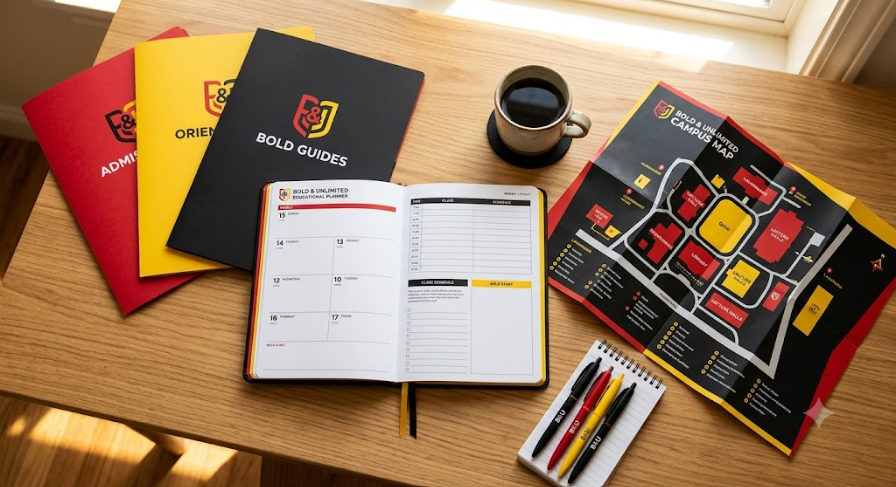
At Hillview DPM, we've been helping South Bay businesses bring their print and digital marketing together for over three decades. Whether it's business cards, direct mail, branded merchandise, or custom signage — we make sure your printed pieces do more than just look good. They work.


Ready to make print part of your marketing strategy? Get an estimate today.


Revised by: Beth Walker

Source: PrintingForLess

Trade show materials that attract attention
By Beth Walker June 8, 2026
Professional trade show materials help small businesses attract attention, build trust, generate leads, and get more value from every event.
A millennial couple receiving print marketing from a real estate agent that is personal & memorable
By Beth Walker May 22, 2026
Print marketing helps real estate agents stand out, build trust, and stay top of mind with buyers and sellers in a crowded digital world.
Turn drive-by traffic into buyers with bold, clear garage sale signs.
By Beth Walker May 6, 2026
Great garage sale signs drive traffic—use bold text, high contrast, clear directions, and multiple signs to turn drive-bys into buyers.
Make Graduation Unforgettable with Custom Signs
By Beth Walker April 1, 2026
Celebrate your graduate with custom signs and banners that stand out, feel personal, and create lasting memories for your family and community.
By Beth Walker March 19, 2026
Choose the right paper and finish to elevate your print, build trust with clients, and present your business with clarity and professionalism.
By Beth Walker February 19, 2026
How to design business signs that attract attention, reflect your brand, and bring customers through your doors with simple, strategic design choices.
By Beth Walker February 5, 2026
Smart custom signs attract attention, guide customers, and strengthen your brand when planned, designed, and printed with purpose.
Order smarter using a digital print partner
By Beth Walker January 21, 2026
Avoid costly print mistakes by ordering smarter, choosing digital print partners, reviewing paper samples, and proofing before you print.
Business woman deciding on a print marketing strategy
By Beth Walker January 7, 2026
Small businesses see better results when they know their audience, market consistently, and connect across print and digital channels.
By Curtis Walker II, MBA May 19, 2020
THE FACT: Paper is one of the few truly sustainable products PAPER IS MADE FROM WOOD, A NATURAL RESOURCE THAT IS RENEWABLE, RECYCLABLE AND CAN BE MANAGED SUSTAINABLY. "Besides easily recognizable paper products (e.g. writing paper or paper towels), more than 5,000 products can be made from recycled paper." U.S. Environmental Protection Agency, 2016 1 In North America, paper is recycled more than any other commodity and the benefits include: extending the wood fiber supply ; reducing greenhouse gas emissions by avoiding methane emissions (released when paper decomposes in landfills or is incinerated); contributing to carbon sequestration ; reducing energy needed for paper production ; and saving landfill space . 1 These features, combined with the North American paper industry’s advocacy of responsible forestry practices , certification , the use of renewable biomass and advances in efficient paper-making technology , make paper one of the most sustainable products we use . • About 39% of the fiber used in paper-making in the U.S. is obtained through recycling . The rest comes from wood that is typically obtained through: 1) thinning of forest stands being grown to larger diameters to provide raw material for production of lumber and plywood 2) patch clear-cutting of smaller diameter trees managed for pulp production, and/ or 3) collection of chips and sawdust produced as by-products in the production of lumber. 2 • In Canada, 87% of the wood fiber used to make paper comes from a blend of sawmill residues (59%) and recycled paper (28%). 3 • The paper industry adheres to respected third-party certification standards, ensuring the paper you use has come from a sustainable forest source . These include the Forest Stewardship Council® (FSC®); the Sustainable Forestry Initiative® (SFI®) program; the American Tree Farm System (ATFS) and systems endorsed by the international Programme for the Endorsement of Forest Certification (PEFCTM). 4 • Globally, only about 10% of the world’s forests are certified – the majority of which are in North America . By sourcing certified products from a variety of credible standards, buyers are sending a message that they support sound forestry. 5 • Wood fibers can be grown, sourced and reused in a responsible way . Maximizing the use of recycled fibers and sourcing virgin fiber from credibly certified natural forests and plantations can reduce paper’s ecological footprint.” 6 1 U.S. Environmental Protection Agency, 2016 2 Dovetail Partners, 2016 3 Forest Products Association of Canada, 2012 4 American Forest & Paper Association, 2014 5 Sustainable Forestry Initiative, 2013 6 World Wildlife Fund, 2015 This article was originally published by The international Two Sides network, and can be found here