
Simple Ways To Slow Down To Sell Faster
At first glance, it may seem that faster sales pitches lead to faster sales. However, the key to speeding up the sales process and closing more deals is
slowing down your sales conversations. According to author and sales expert Kevin F. Davis, this allows sales professionals to get in sync with the customer's buying process.
If you want to learn how to slow down to sell faster, read on. We highlight Davis' essential selling skills to help you sell faster.
Get the customer to move backward in their buying process.
Have you ever had a great first meeting, and then nothing happened afterward? Davis notes that according to recent research, as much as 60 percent of a buyer's process is complete
before the customer even contacts possible suppliers. Customers identify their own needs internally. The trouble this causes for salespeople is that customers think they did a good job of identifying their own needs, but they likely did a lousy job.
This means that customer needs are poorly defined
at the very moment when they start asking you questions about your product or service. This is the point when many salespeople mistakenly "take the bait"
and start telling the customer about how great their product or service is, says Davis. The solution is to get the customer to move backward in their buying process. Say, "I'd be happy to show you our capabilities. May I ask you a few questions first so I can determine which ones will solve your problems?"
Find out where the customer is in their buying process.
If the prospect initiates contact with you, the first thing
you must do is find out where they are in their buying process, Davis says. The later in the buying process you enter, the lower your chances of success. To identify where a customer is, simply ask, "What steps have you taken thus far in regard to making this decision?"
Probe for a second customer need.
The reason customers first contact you is that they think they may have a need. Obviously, you want to thoroughly probe this first need, notes Davis. However, sometimes that first need – even when it is well-defined – is not perceived by the customer as big enough for them to go through all the hassles of changing suppliers. So, once the customer's first need has been properly probed, you want to ask: "Other than this issue, is there anything else about your current supplier that you would like to see them improve?"
According to Davis, your goal here is to build your buyer's discontent. This is the essence of consultative selling – helping customers to understand those problems that they didn't previously recognize. When the customer perceives that the value of a solution is significantly greater
than its cost, customers will usually decide to move forward to research their buying criteria and compare options.
Schedule follow-up after your demo.
Have you ever had a customer that you thought would become a sure sale suddenly go silent on you, and not return your phone calls? When a customer is scheduling demos from different suppliers their focus is on answering the question, "Which option is our best choice?"
But after evaluating the different demos, the buyer wonders, "What are the risks if we move forward with our preferred supplier?"
Rarely do decision-makers move directly to "let's close this deal."
You can't resolve customer fear
if the customer doesn't return your phone calls. To do a better job of overcoming customer fear in 2020, resolve now to schedule a follow-up meeting after each and every demo.
Every sales rep wants to close more deals
and win more clients. The key to getting there isn't working faster—it's slowing down
and mastering
the sales skills above.
Compiled by Curtis Walker, II MBA
Source: Kevin F. Davis
has more than 30 years of experience in sales. He has worked his way up from sales rep, to sales manager, to general manager and is the author of The Sales Manager's Guide to Greatness: 10 Essential Strategies for Leading Your Team to the Top.

Holiday cards help businesses show appreciation, strengthen relationships, and stay top of mind. Start early to create memorable cards for clients and employees.

Banners and A-frame signs help local businesses get noticed, promote offers, guide customers, and turn everyday foot traffic into new opportunities.

Custom holiday cards help businesses build stronger customer relationships, stand out, and stay memorable. Start early with Hillview DPM for stress-free printing.
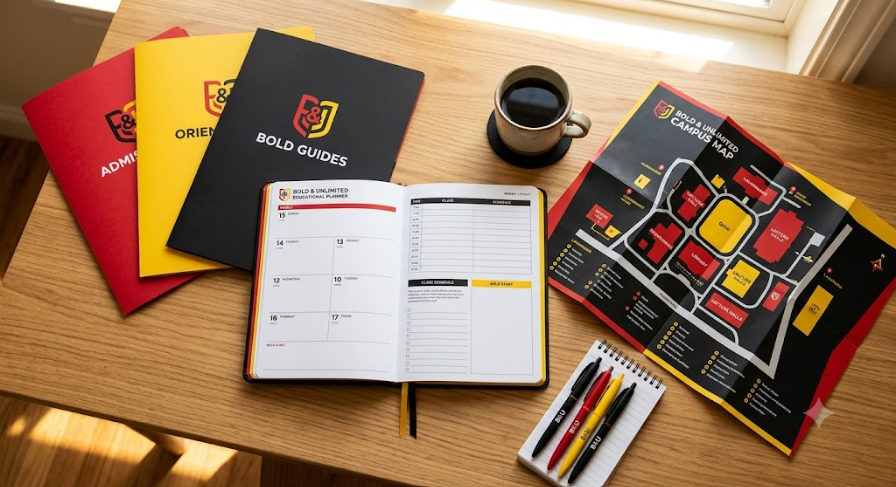
Beat the August rush! Secure your school’s custom planners, folders, and maps now to ensure a seamless, organized, and successful start to the new academic year.
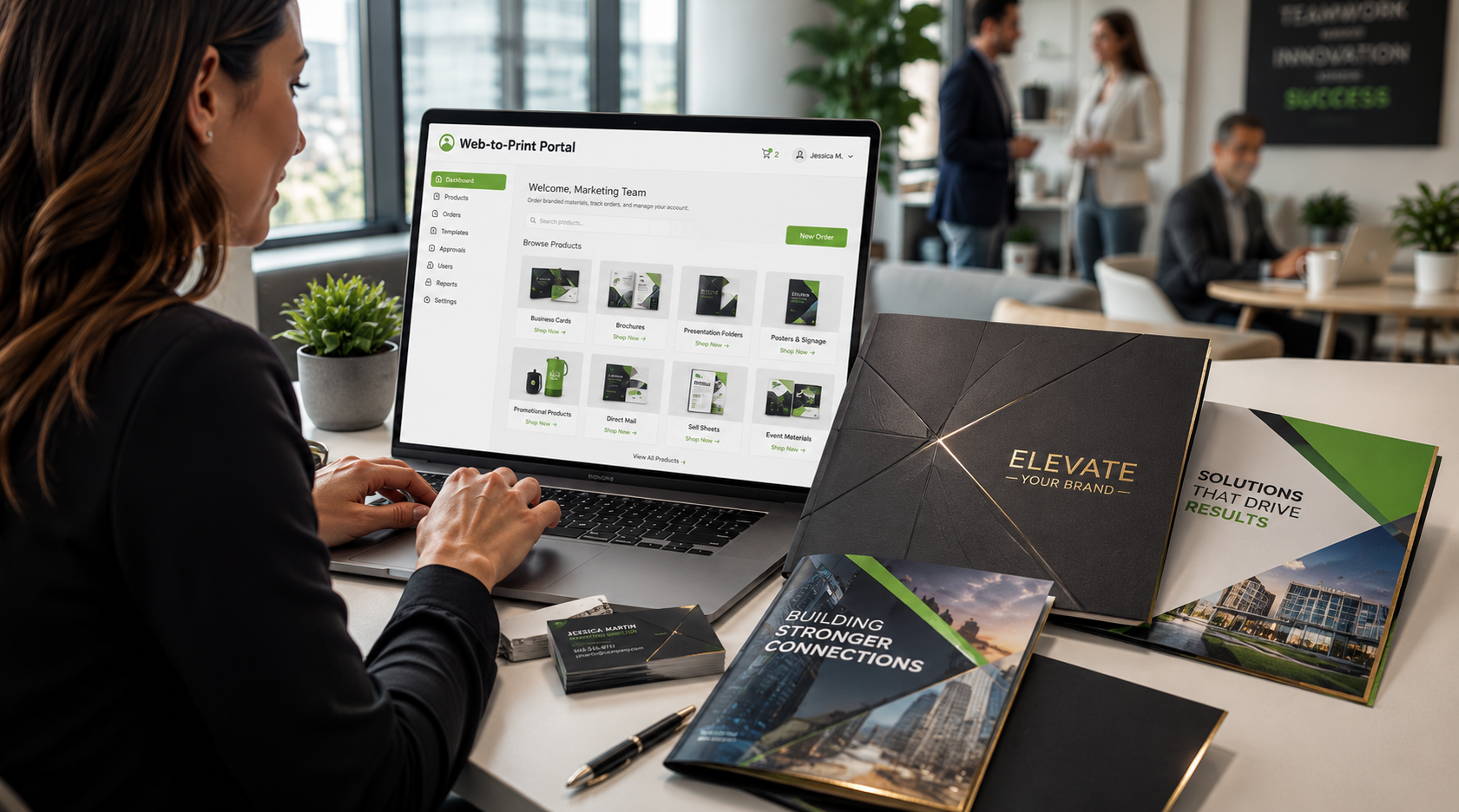
Simplify print ordering with a custom Web-to-Print Portal that saves time, protects your brand, reduces costs, and streamlines every order.

Stand out at your next trade show with expert printing from Hillview DPM. Discover simple marketing tips and professional materials that attract more customers.
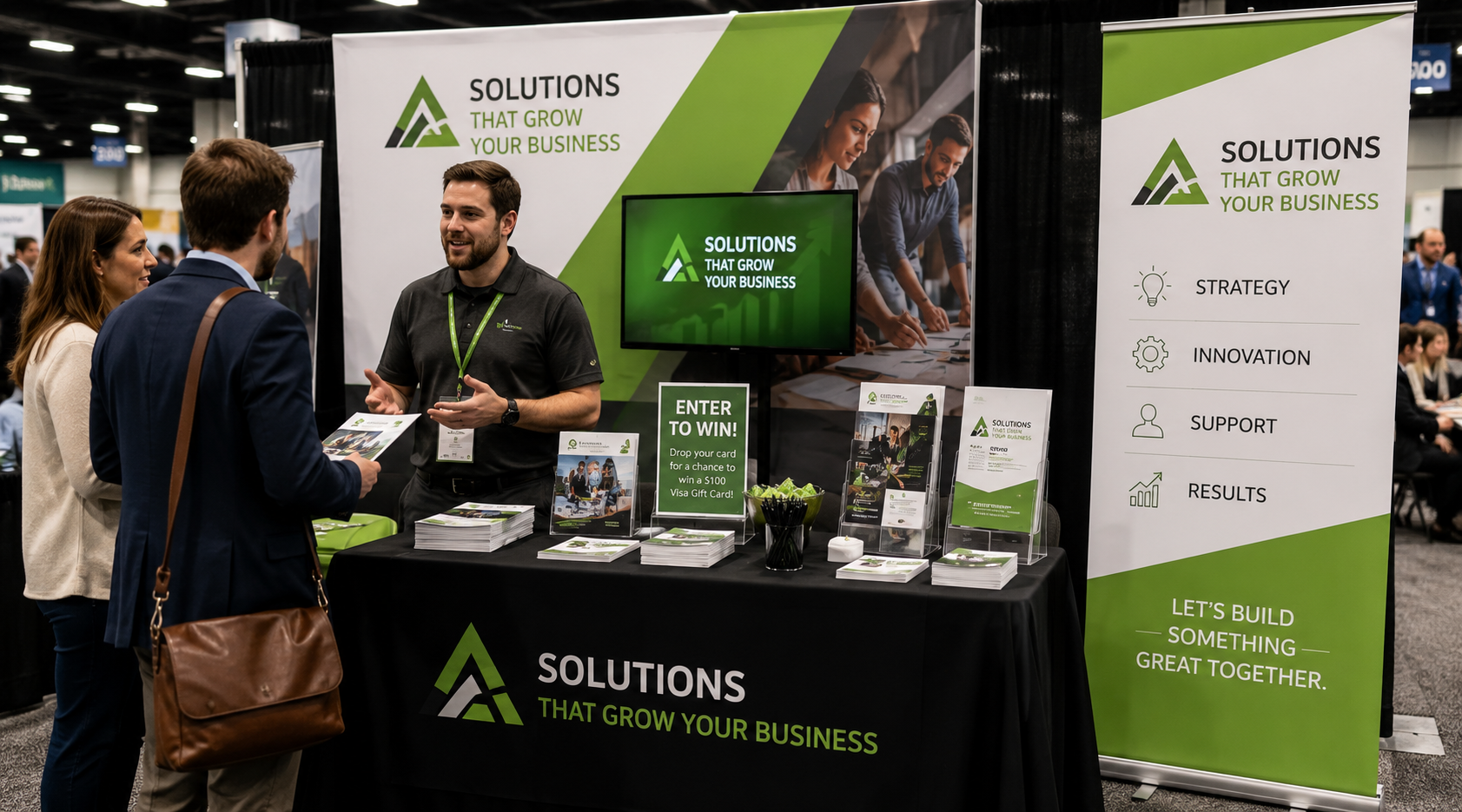
Professional trade show materials help small businesses attract attention, build trust, generate leads, and get more value from every event.

Print marketing helps real estate agents stand out, build trust, and stay top of mind with buyers and sellers in a crowded digital world.
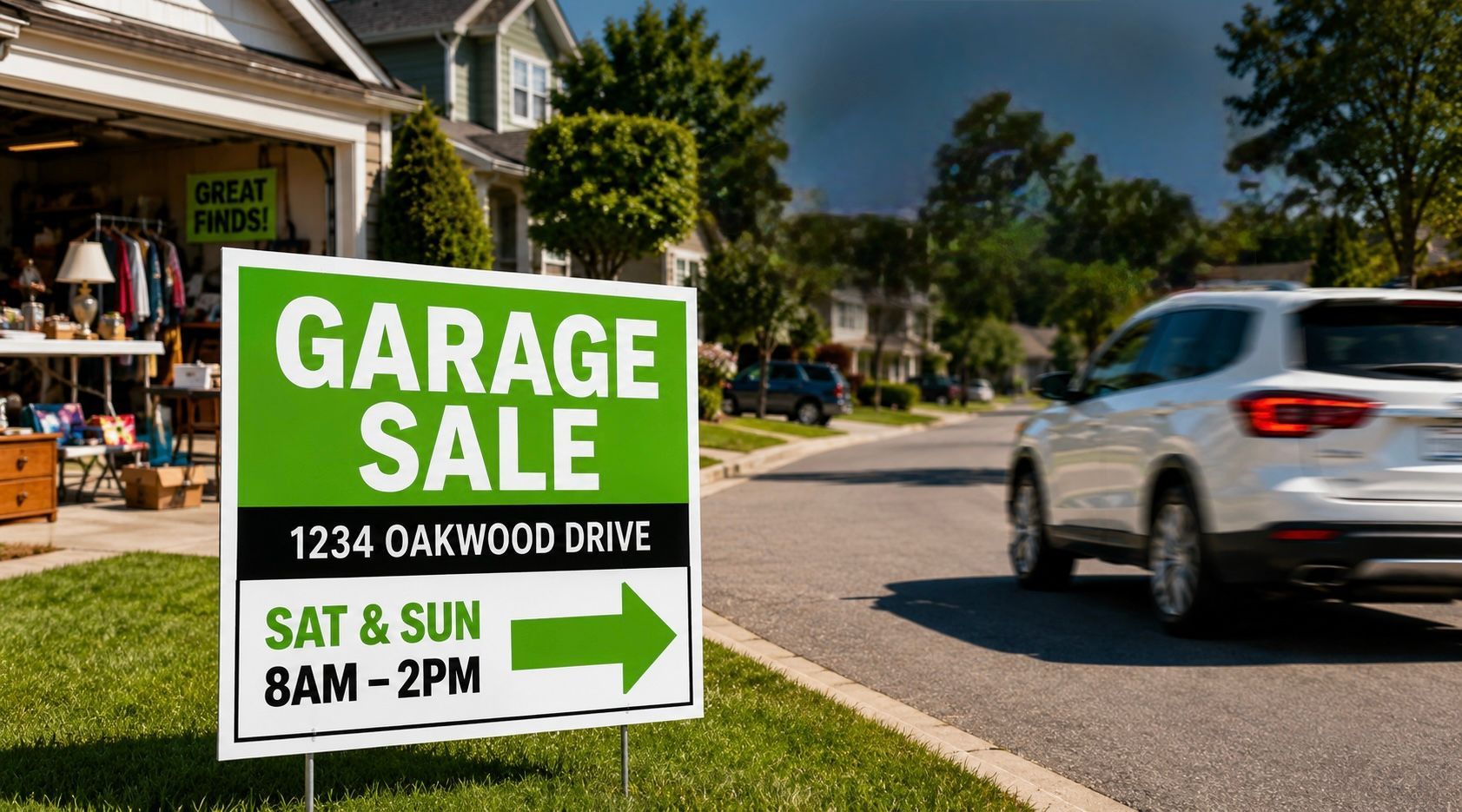
Great garage sale signs drive traffic—use bold text, high contrast, clear directions, and multiple signs to turn drive-bys into buyers.
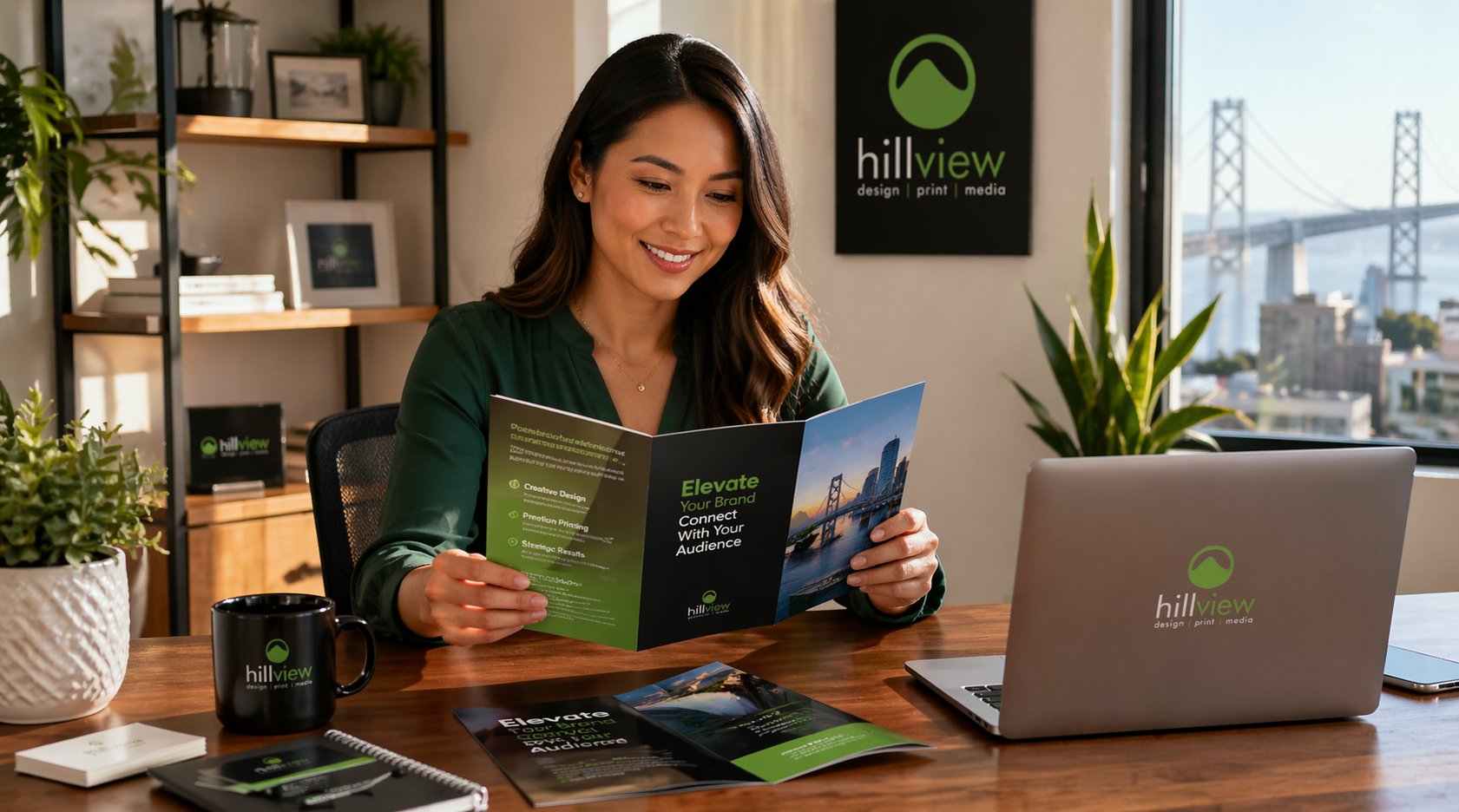
Print isn't dead — it's your competitive edge. Learn how Bay Area businesses use print + digital together to cut through the noise and win more customers.